|
"In the end, we conserve only what we love. We will love only what we understand. We will understand only what we are taught." – Baba Dioum, Senegalese poet Wishing you had a way to save wildlife from your current location and short free time in life? 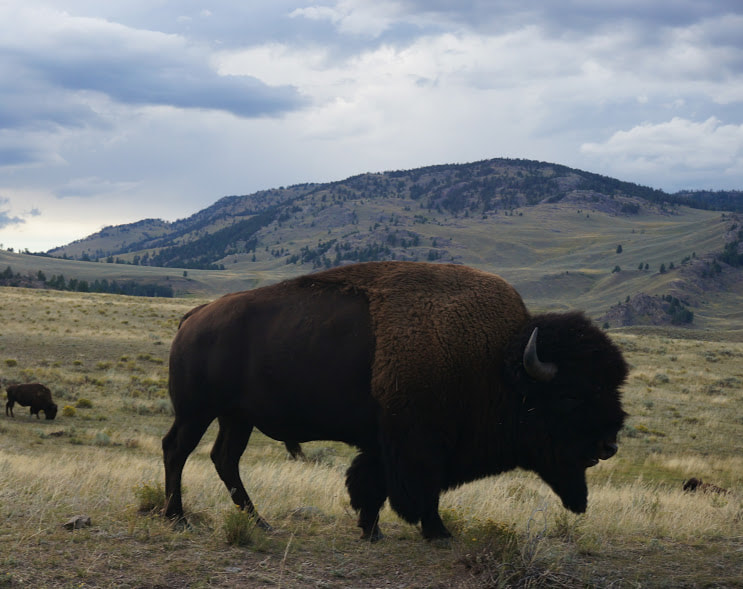 Great American Bison, Yellowstone National Park Yes, even the iconic American Bison were once on the endangered species list. Crazy right?In this post I'll share with you 5 "quick and easy" ways to get involved in saving endangered wildlife species.
2 Comments
Wildlife Nature Conservation Film & Photography Festivals. *Find one to Attend and Support*2/2/2019 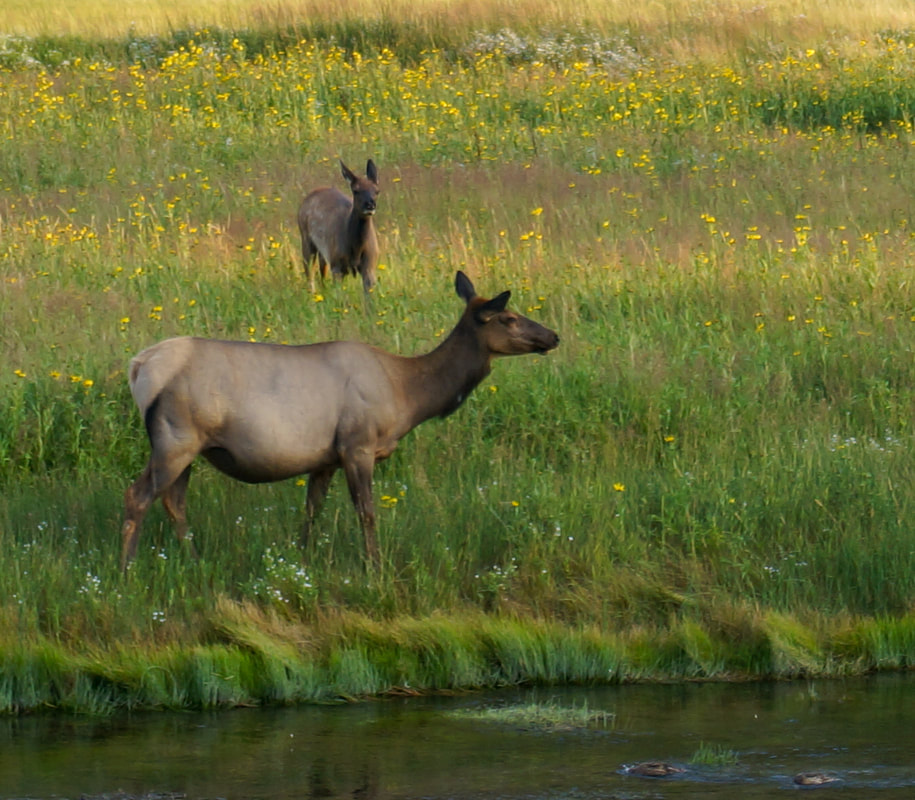 BE INSPIRED and
Learn How YouMake a Difference Make Connections Attend a Film and/or Photography Conservation Festival in 2019 and Beyond One of the best ways to be inspired, make connections, as well as learn ways to support Wildlife Nature Conservation, is to attend one of the following film/photography festivals. Cinematic and photography projects are able to connect people, from all walks of life, to our one planet. This, in turn, inspires them to make a difference for Mother Earth. Please Note: My list below is not all inclusive {WHICH IS AWESOME}, meaning there are even more out there. IF YOU SEE ANY I'VE MISSED PLEASE SHOOT ME an EMAIL [email protected] so I can add to the page.
NO matter where or when you're traveling exploring the world. Always keep an eye open for opportunities to get involved, learn about local or actually participate in Conservation events.
 While traveling and diving through the Baja Pennisula of Mexico
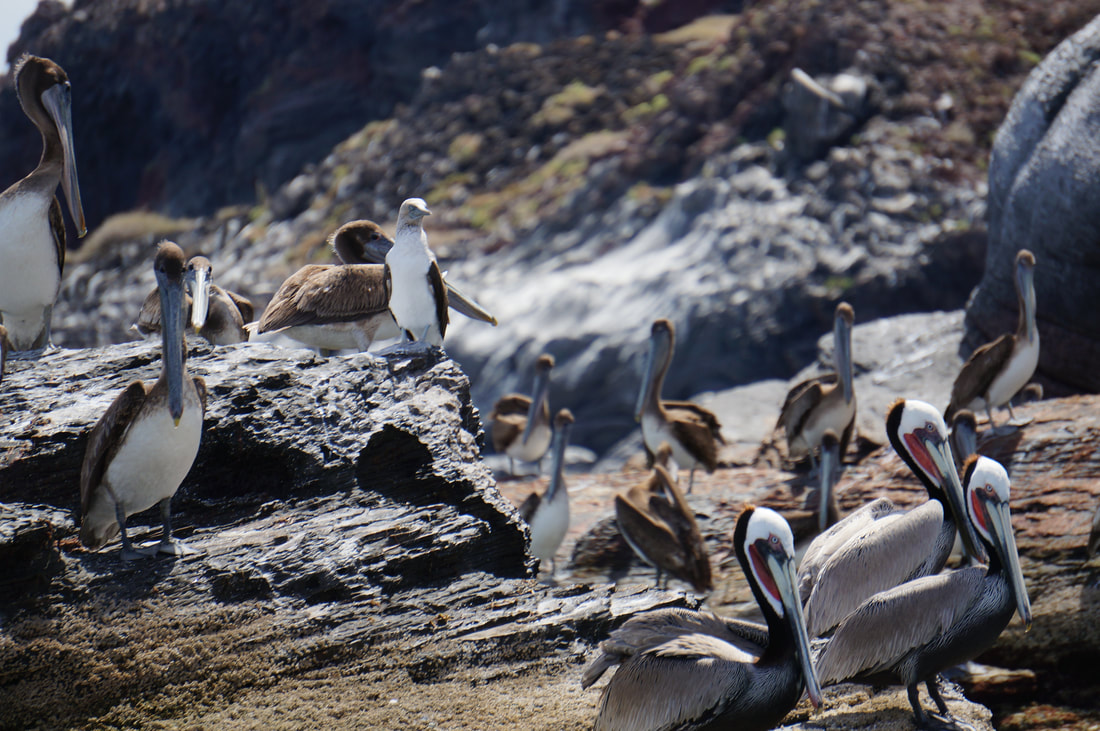
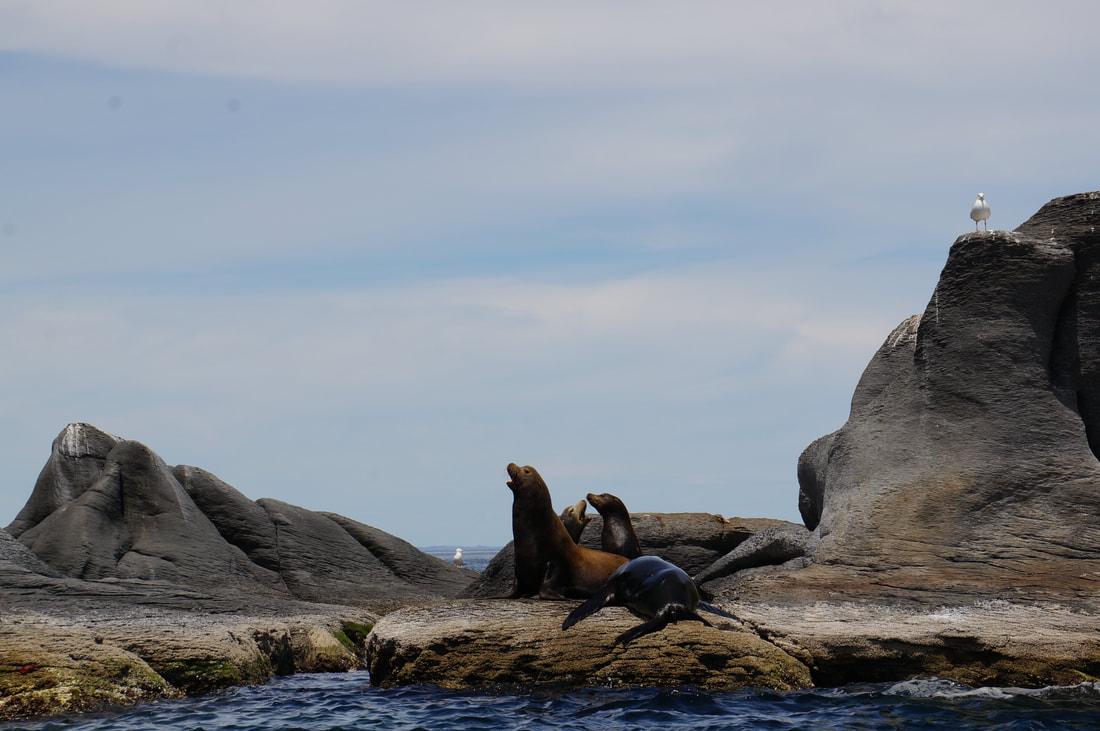
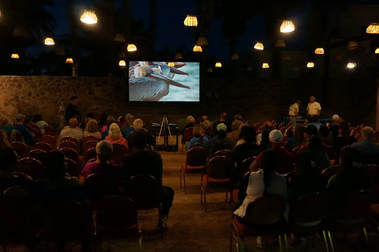
I was blessed to find out about the Eco-Alianza de Loreto A.C. Conservation Organization located in Loreto, Mexico which is located next to the Sea of Cortez on the Baja Pennisula . This organization has come along way in a short time making a great conservation difference in the future environment of the area, Their Mission "To protect and conserve our natural and cultural environment by empowering civil society and government to jointly create healthy and prosperous communities" And a wonderful Vision "Communities believe their quality of life is related to the health and vitality of the environment and citizens act accordingly" One Ocean Film Festival Loreto, Mexico On March 22 & 23rd, 2018 (look for their 2019 next year it's sure to be amazing) they hosted their first Conservation Film Festival- One Ocean Film Festival with some amazing films and guest speakers. Find a link at bottom of this blog post for Conservation Film & Photography Festivals in your area. I had a chance to rub shoulders with National Geographic film maker Johnny Friday his film Kings of Baja was amazing and helped raise awareness of the delicate state of this area. He has filmed throughout...
"BoldlyExplore is blazing a trail not well taken, and I accept the underdog status. I believe meaningful adventure experiences, will lead to postive life changes for my clients."Dr. Scott W. Poindexter Chief Adventure Officer/Founder, BoldlyExplore 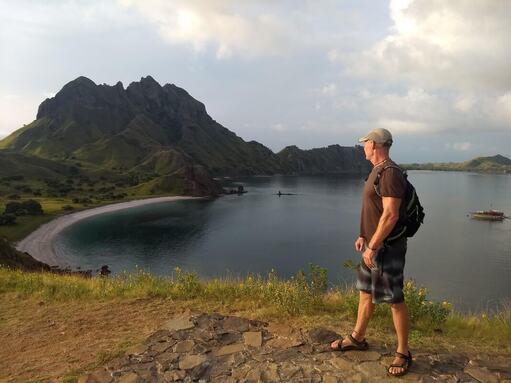 Have you heard of the Attention Restoration Theory?Kaplan's attention restoration theory? How about Plutchik's psycho-evolutionary theory of emotion? Both of these theories stress the importance of bringing nature into one's life.
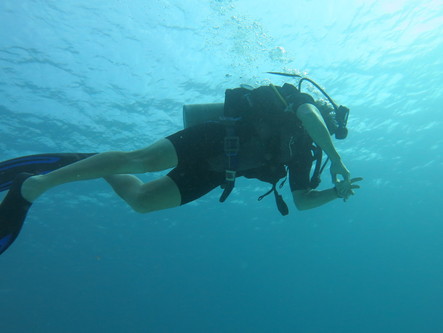
The attention restoration theory, hypothesizes that exposure to nature helps us to renew attention after challenging mental endeavors, improving our focus and ability to concentrate. Adventure of a lifetime? BoldyExplore Our Blue Planet with PADI Travel Adventure Dive Trips1/1/2018 What is it about the big blue ocean that lures us in?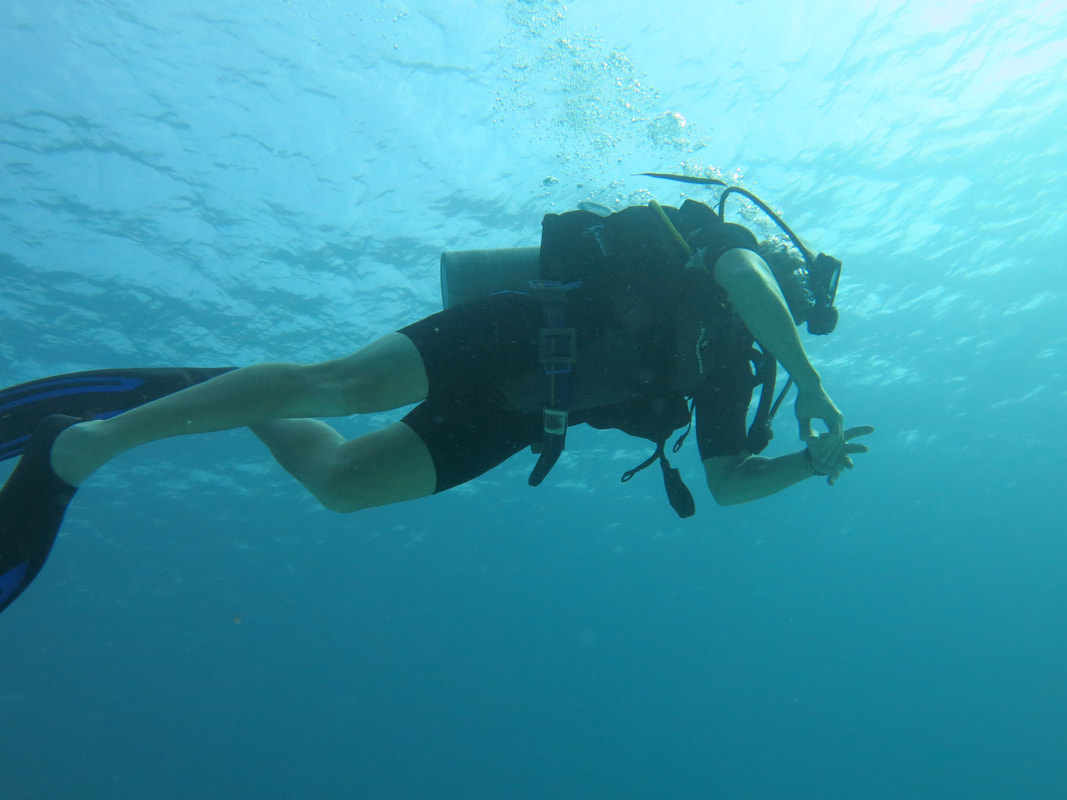 Mahahual, Mexico Anyone that has ever been scuba diving will tell you, it's a whole new world once you slip below the surface.One of the best known ocean documentaries, Blue Planet, is so aptly named, because it really is like you're on a different planet, even just a few meters down.Nothing comes close to the thrill of spotting a turtle munching on sea grass, an eel poking its head out from beneath a rock, a dolphin swimming circles around you, or a sleek and silent shark cruising past. On closer inspection of the reefs and sea beds, you can find tiny pipe fish bobbing above the sand, and brightly coloured nudibranchs amongst the corals, who's nickname 'sea bunnies' suit their very cute exteriors, with little rabbit ear-like rinophors. Whether its megafauna, or macrolife reef organisms that capture your heart, with hundreds of thousands of different species in our oceans, there is a marine animal out there that will mesmerize you and leave you desperate to swim with them again. I've been diving for over five years now, and quickly caught the big, blue bug.
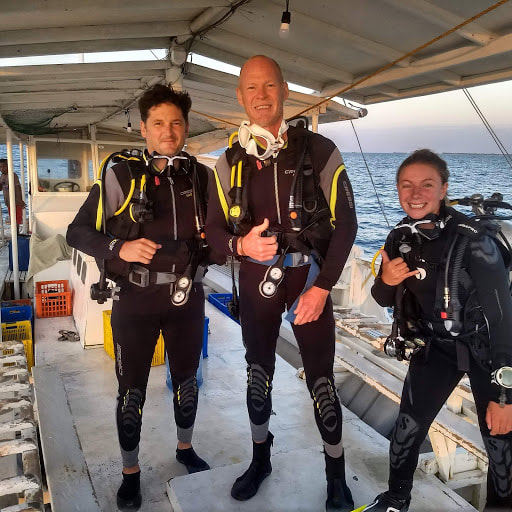
I became an affiliate with PADI so that I could offer the same opportunities to like-minded people. I've carefully selected some of the greatest scuba experiences you can possibly have in your lifetime. |

Scott
|